
01 Product Category
02 Product Type
03 Product
Featured Product
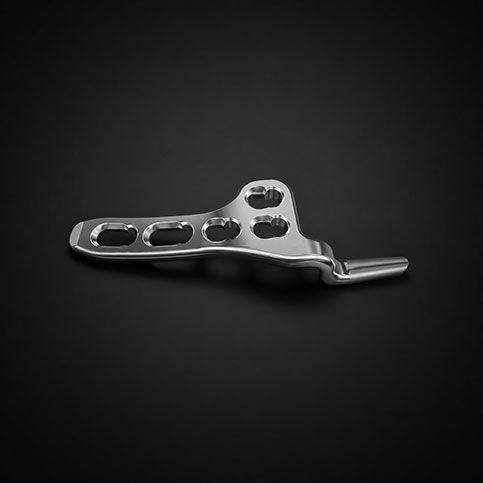
3.5MM Clavicle Hook LCP
Anatomically designed for optimal fixation and superior stability.
View Product01 Product Category
02 Product Type
03 Product
Featured Product
3.5MM Clavicle Hook LCP
Anatomically designed for optimal fixation and superior stability.
View ProductOur Products
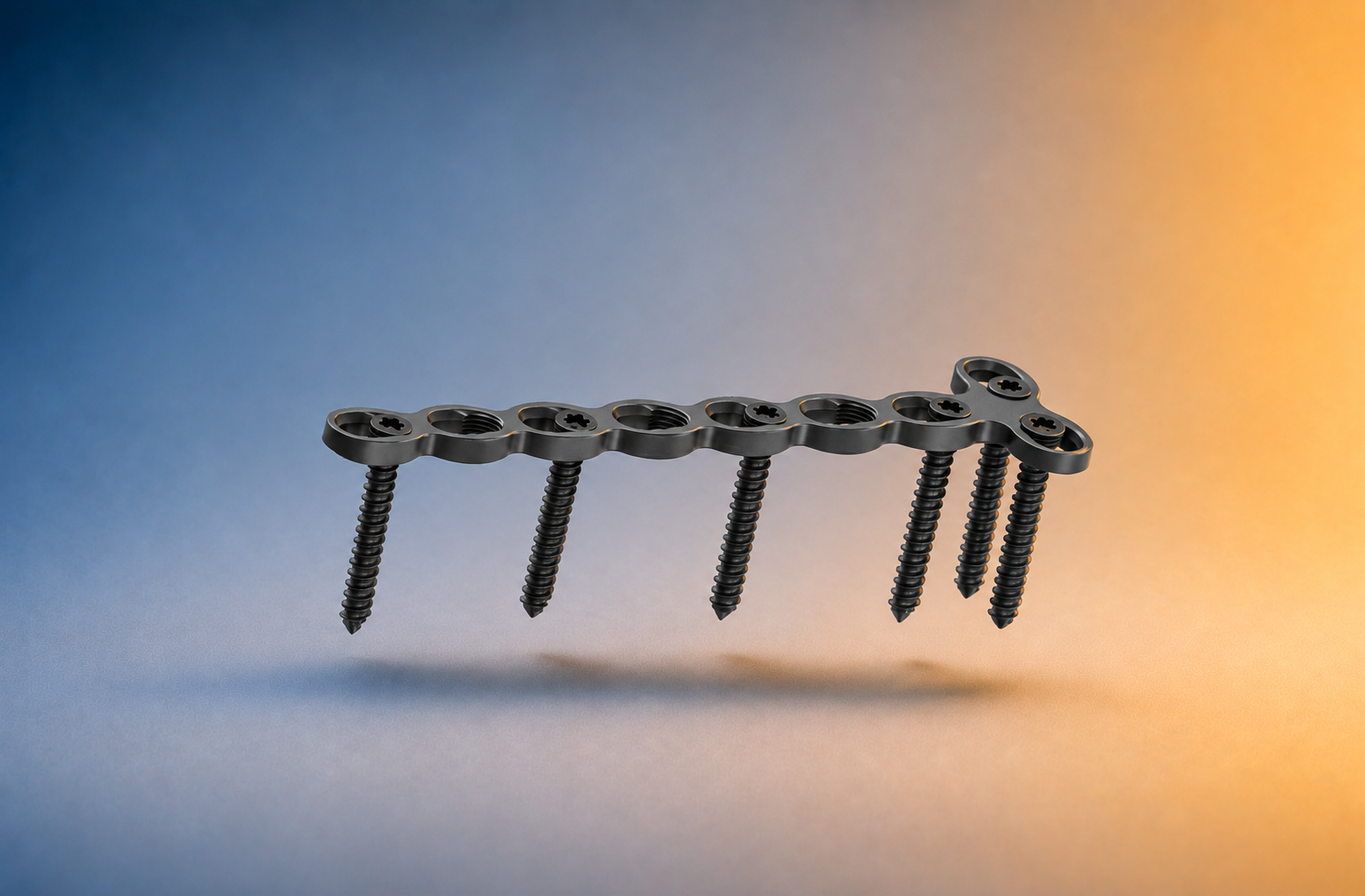
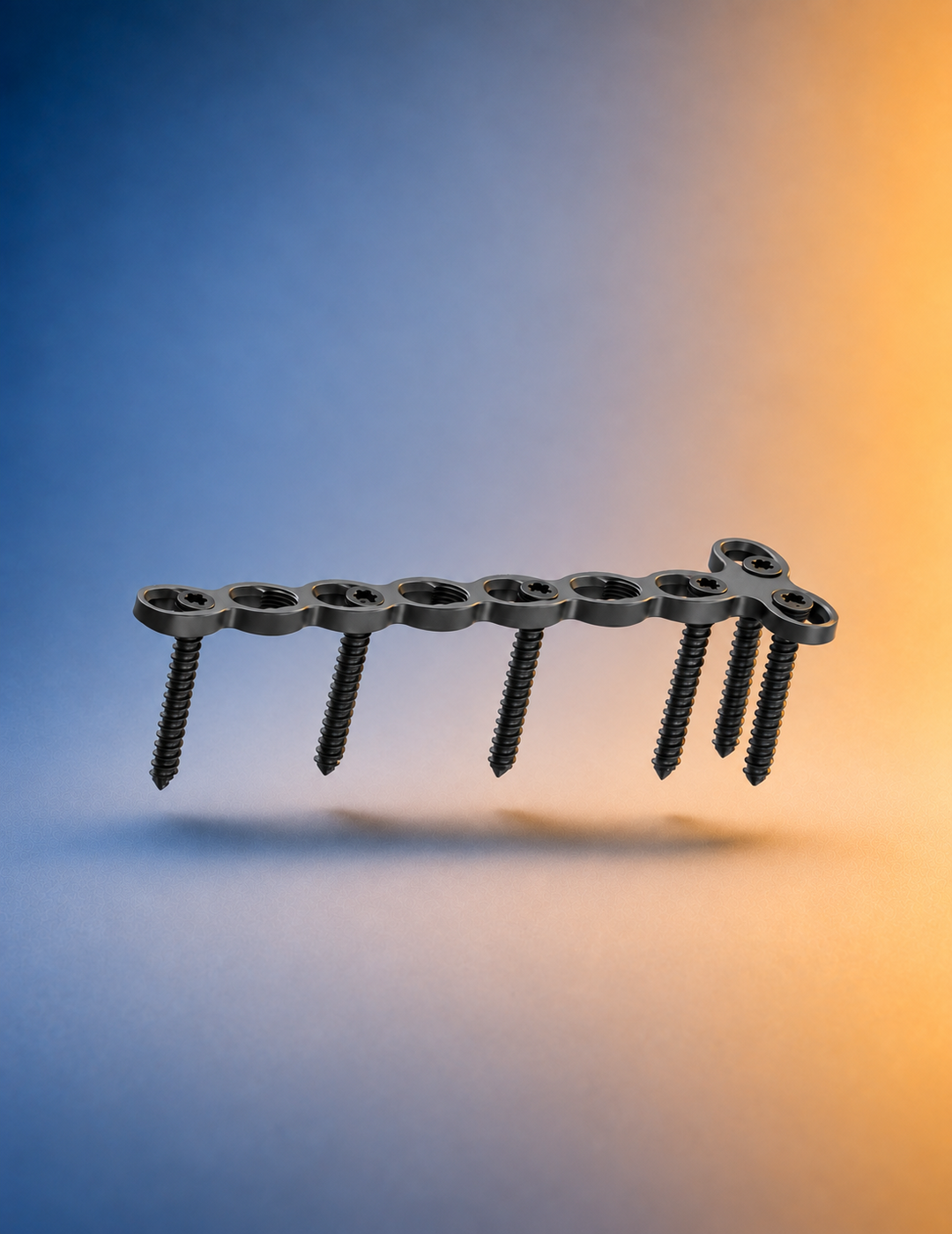
The Ø2.0 & Ø2.4mm T-Adaption Locking Compression Plate (LCP) is a small-fragment implant designed for the fixation of fractures, osteotomies, and reconstructions in delicate anatomical areas such as the hand, wrist, foot, ankle, and craniofacial skeleton. Its T-shaped configuration provides effective support and buttressing of small metaphyseal or articular fragments.
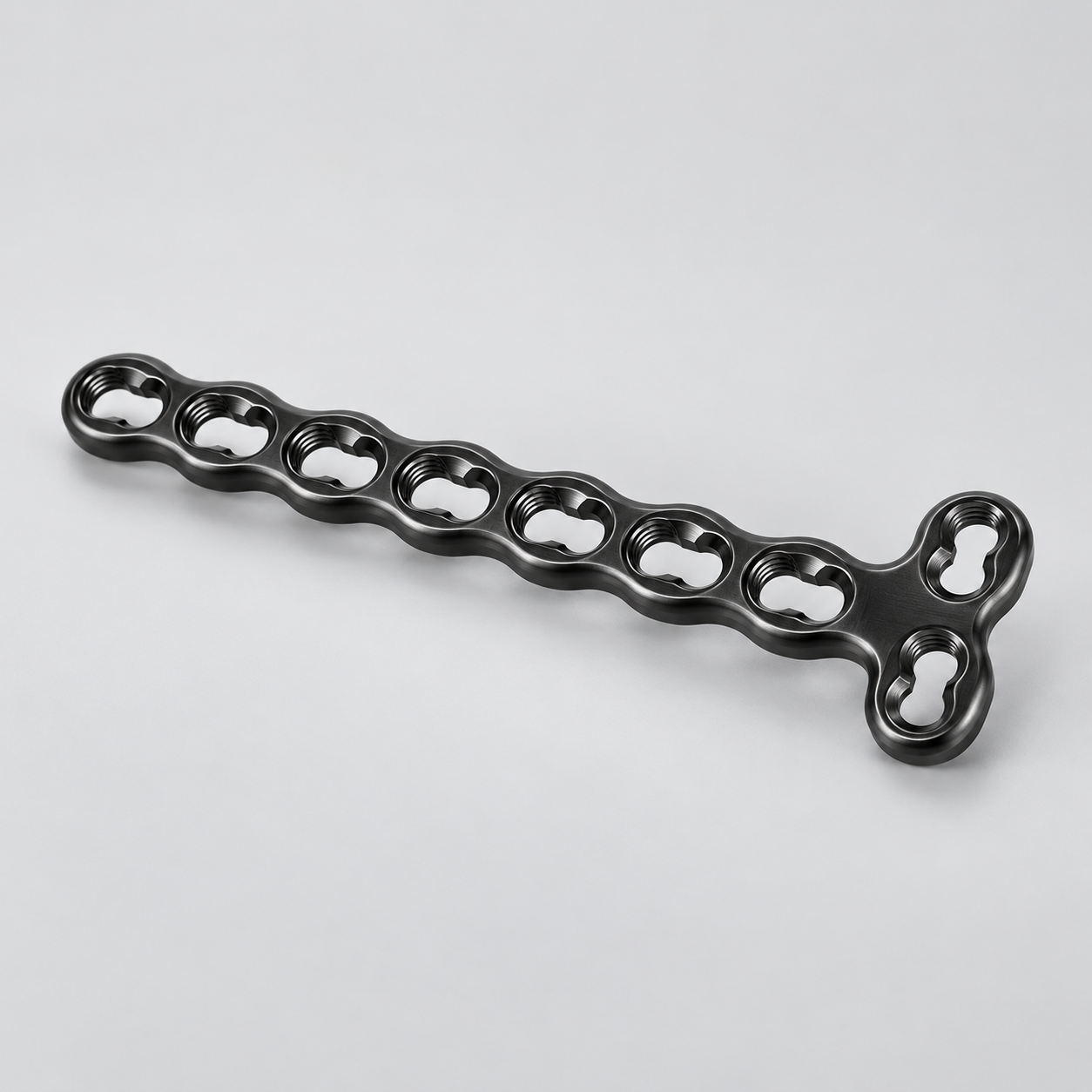
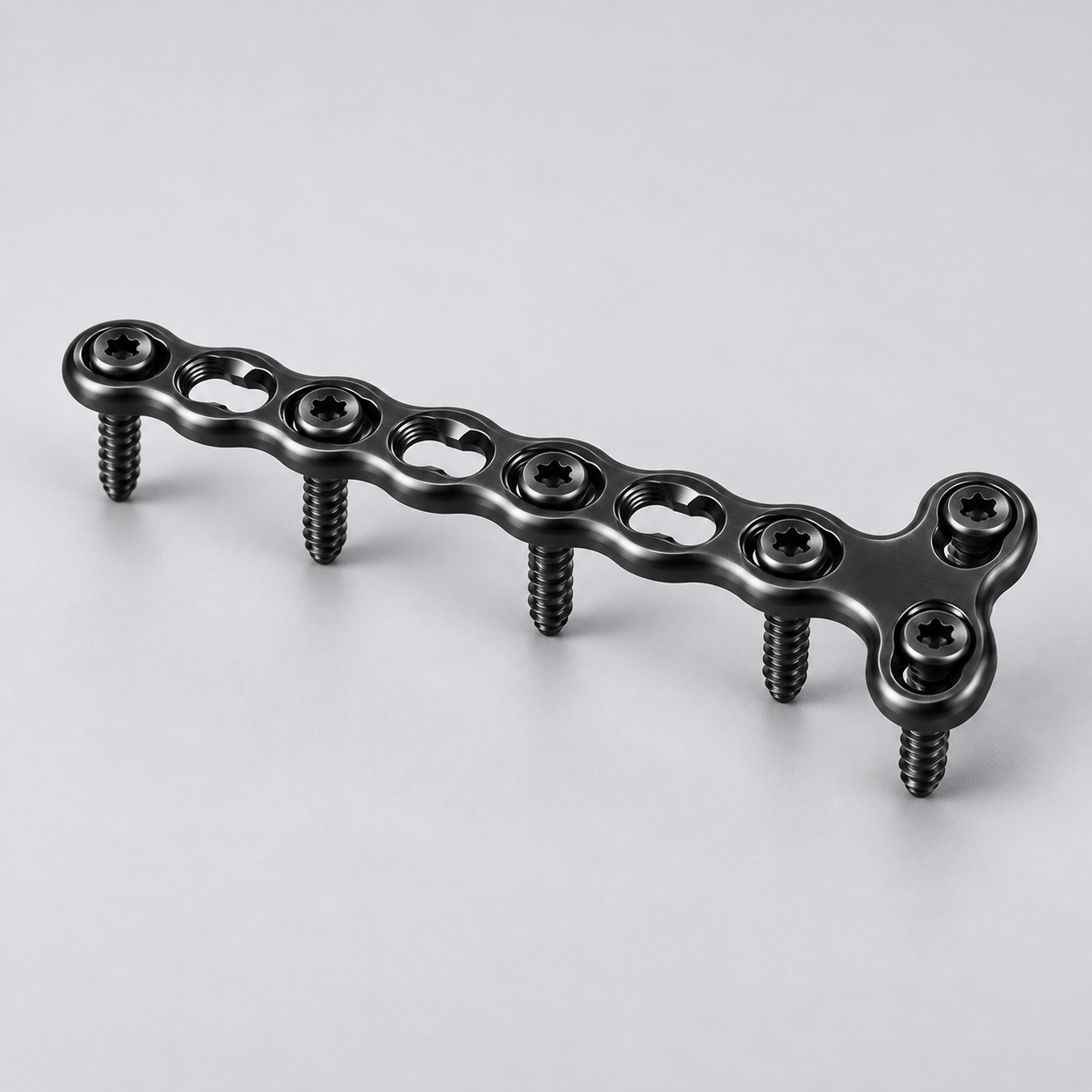
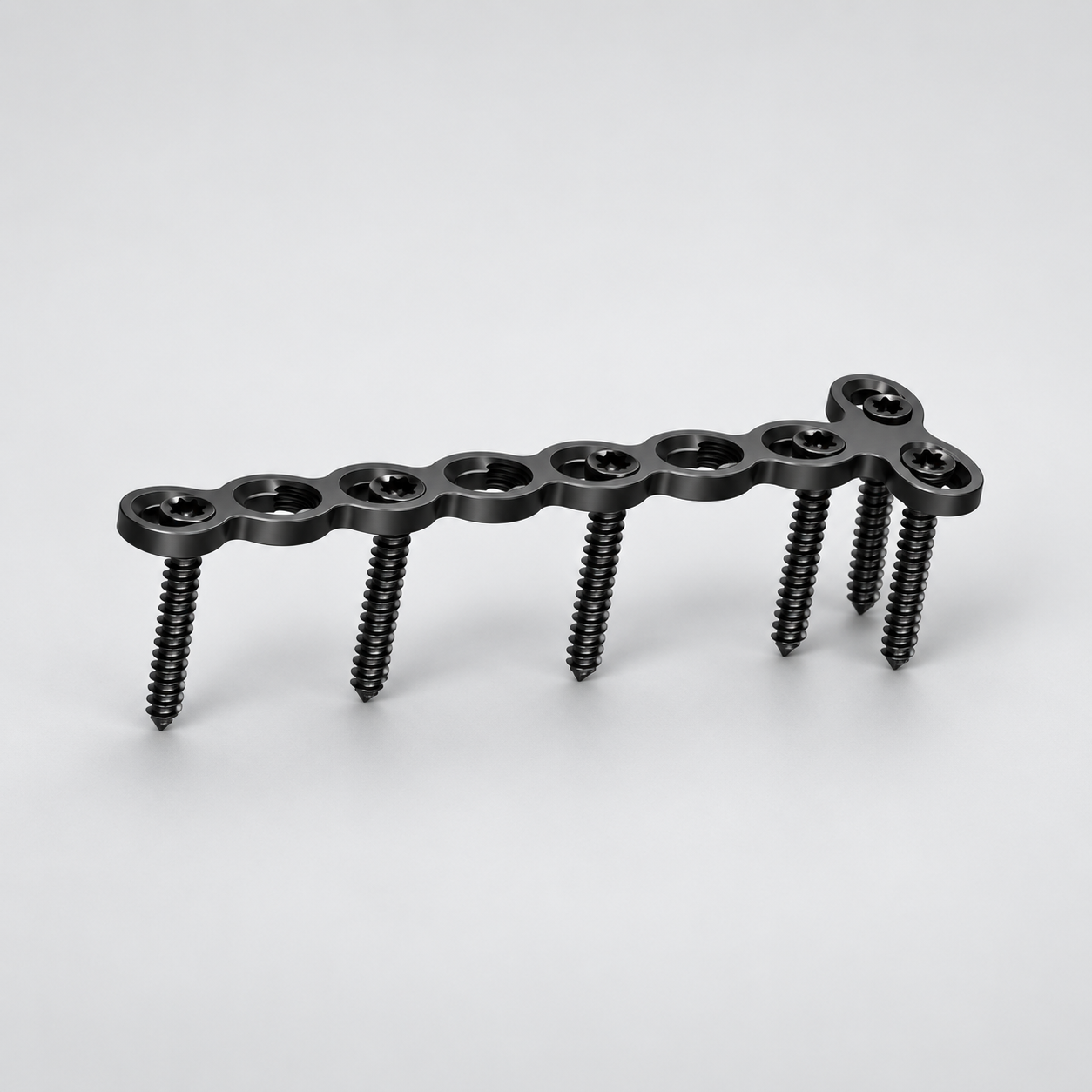
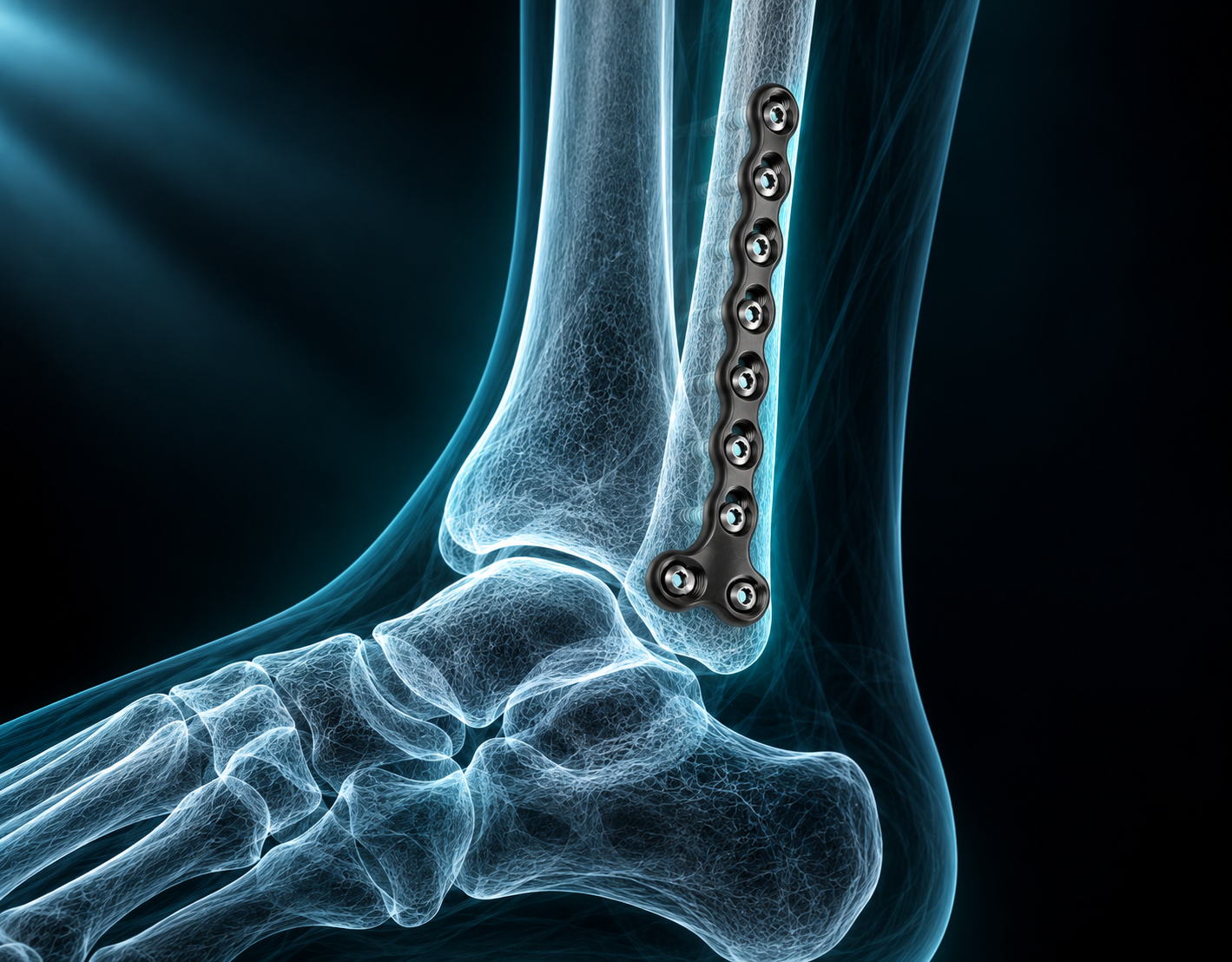
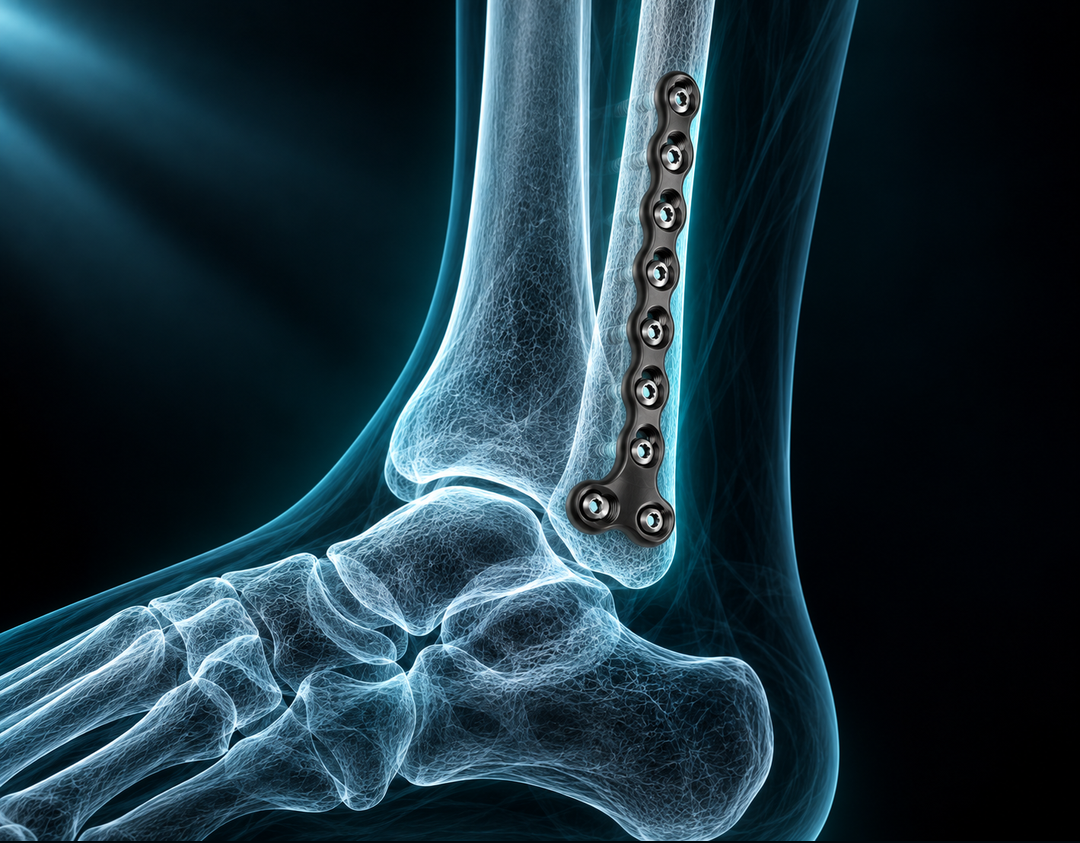
The Ø2.0 & Ø2.4mm T-Adaption Locking Compression Plate (LCP) is a small-fragment implant designed for the fixation of fractures, osteotomies, and reconstructions in delicate anatomical areas such as the hand, wrist, foot, ankle, and craniofacial skeleton. Its T-shaped configuration provides effective support and buttressing of small metaphyseal or articular fragments.
The plate features combi-holes compatible with both locking and cortical screws (Ø2.0mm or Ø2.4mm), offering the benefits of angular stability and axial compression in one system. Its low-profile, anatomically adaptable design allows for precise contouring, minimizing soft tissue irritation and promoting early mobilization.
Detailed surgical technique guides, sterilization instructions and compatibility charts are available in the product catalogue or on request from our clinical support team.
| Holes | SS | TI |
|---|---|---|
| 7 HOLES | 1115SS07 | 1115TI07 |
| 7 HOLES | 1155SS07 | 1155TI07 |