
01 Product Category
02 Product Type
03 Product
Featured Product
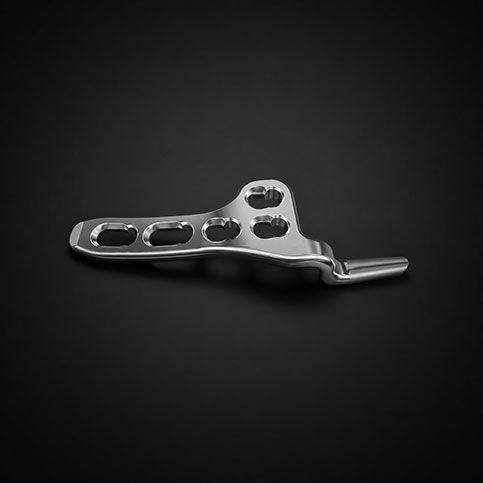
3.5MM Clavicle Hook LCP
Anatomically designed for optimal fixation and superior stability.
View Product01 Product Category
02 Product Type
03 Product
Featured Product
3.5MM Clavicle Hook LCP
Anatomically designed for optimal fixation and superior stability.
View ProductOur Products
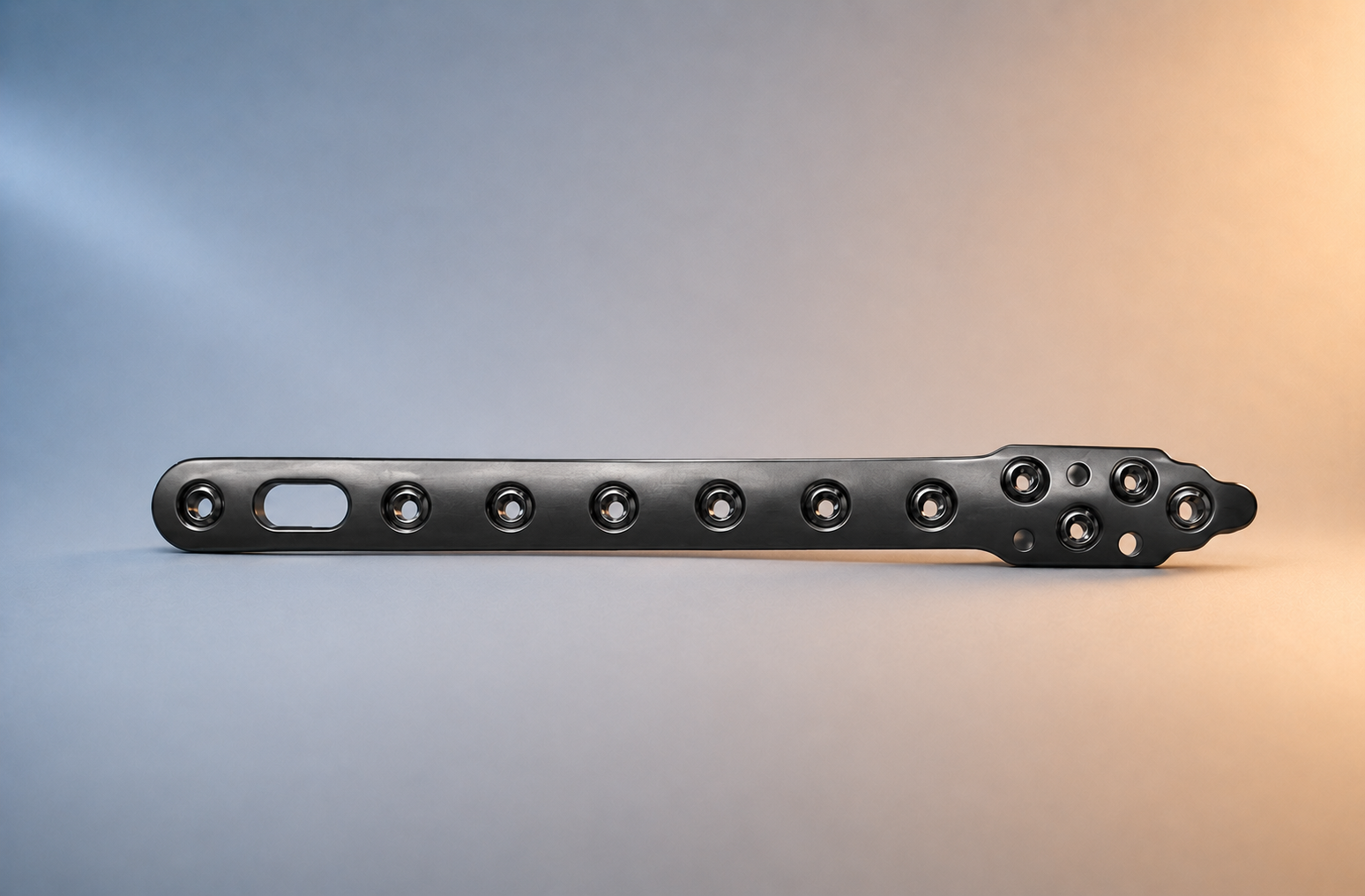
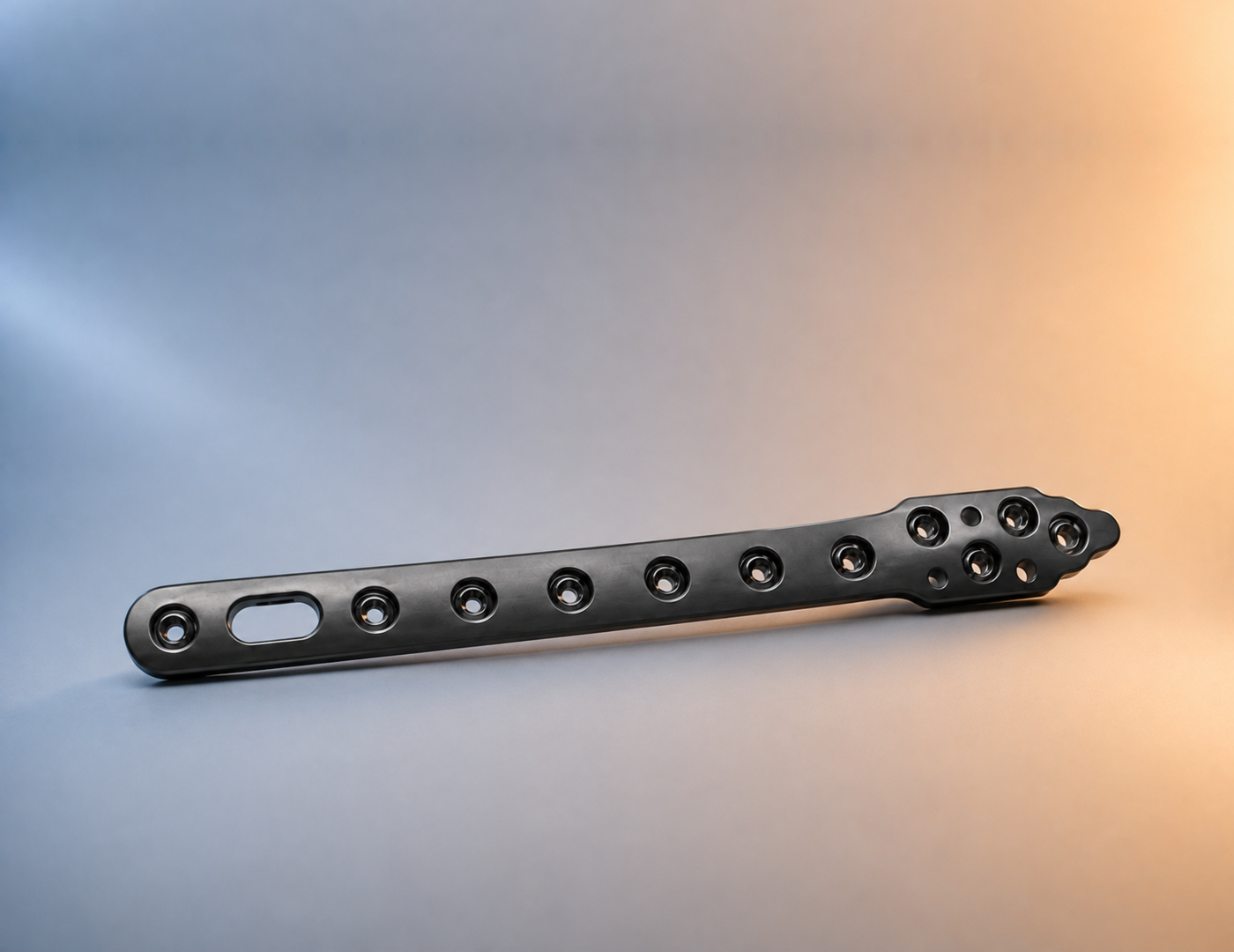
One of the lower leg bones, the distal fibula, is located outside the leg and is smaller than the other. It is also the name of the bone. It is a very important factor in ankle stability, especially when it comes to responsibilities that require weight-bearing.
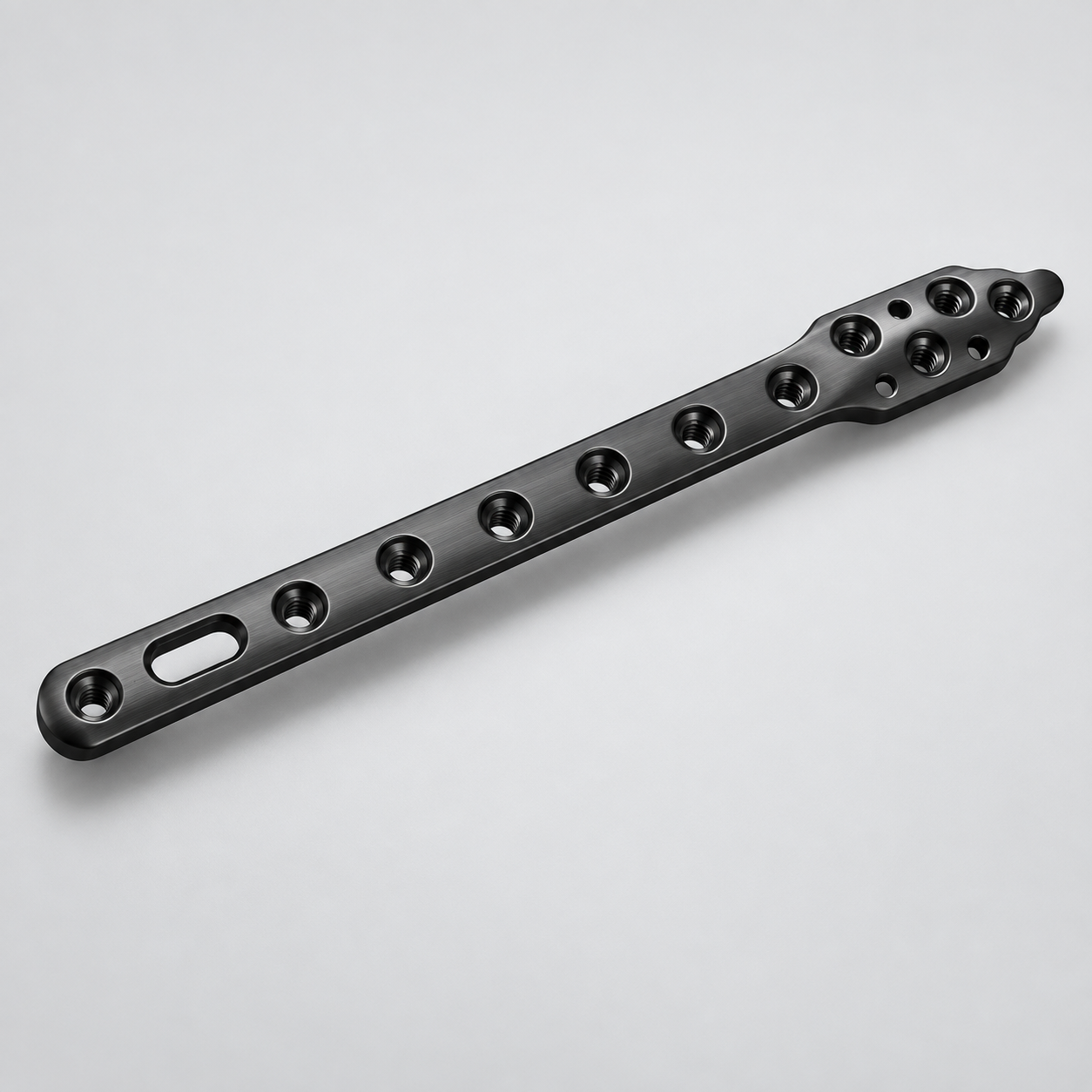
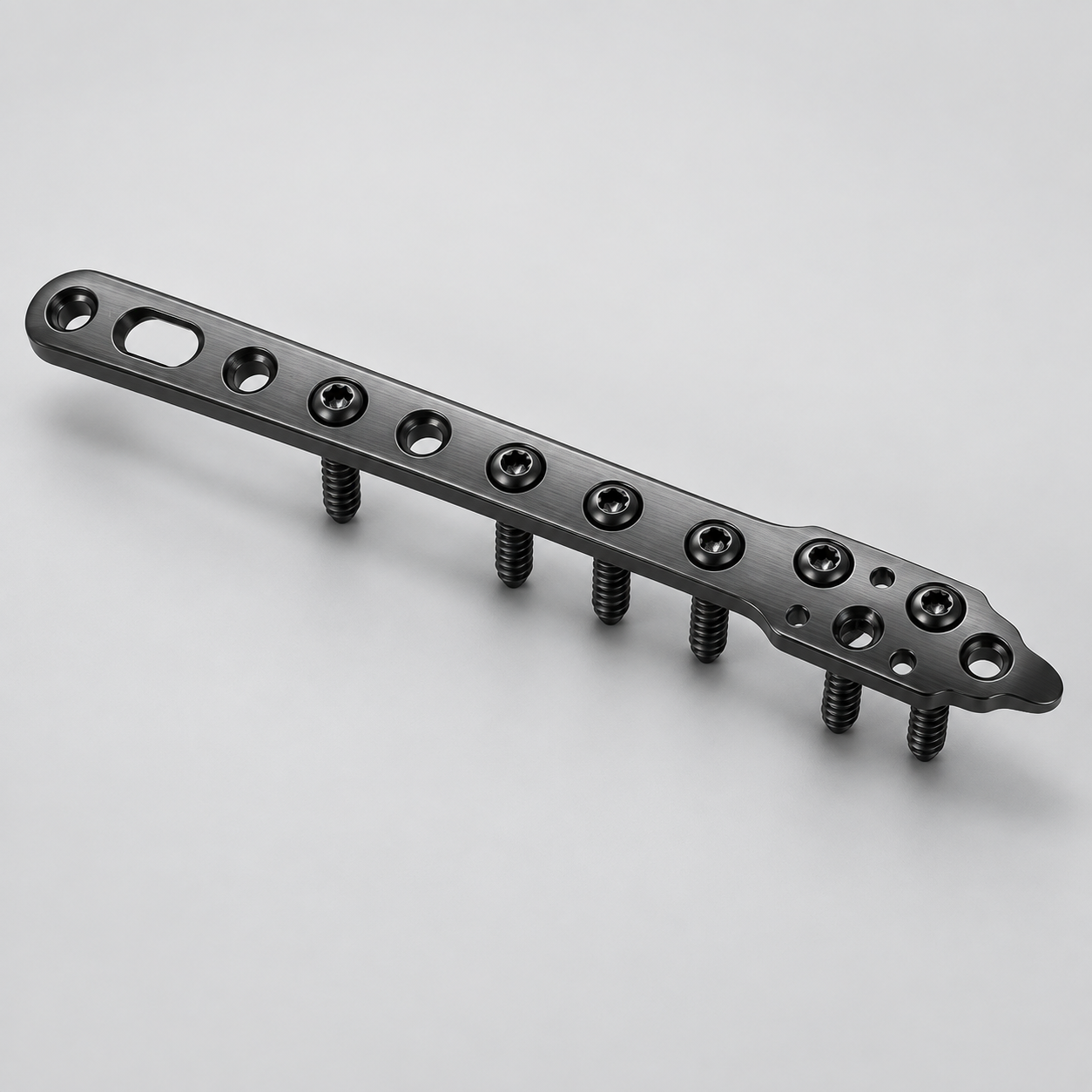
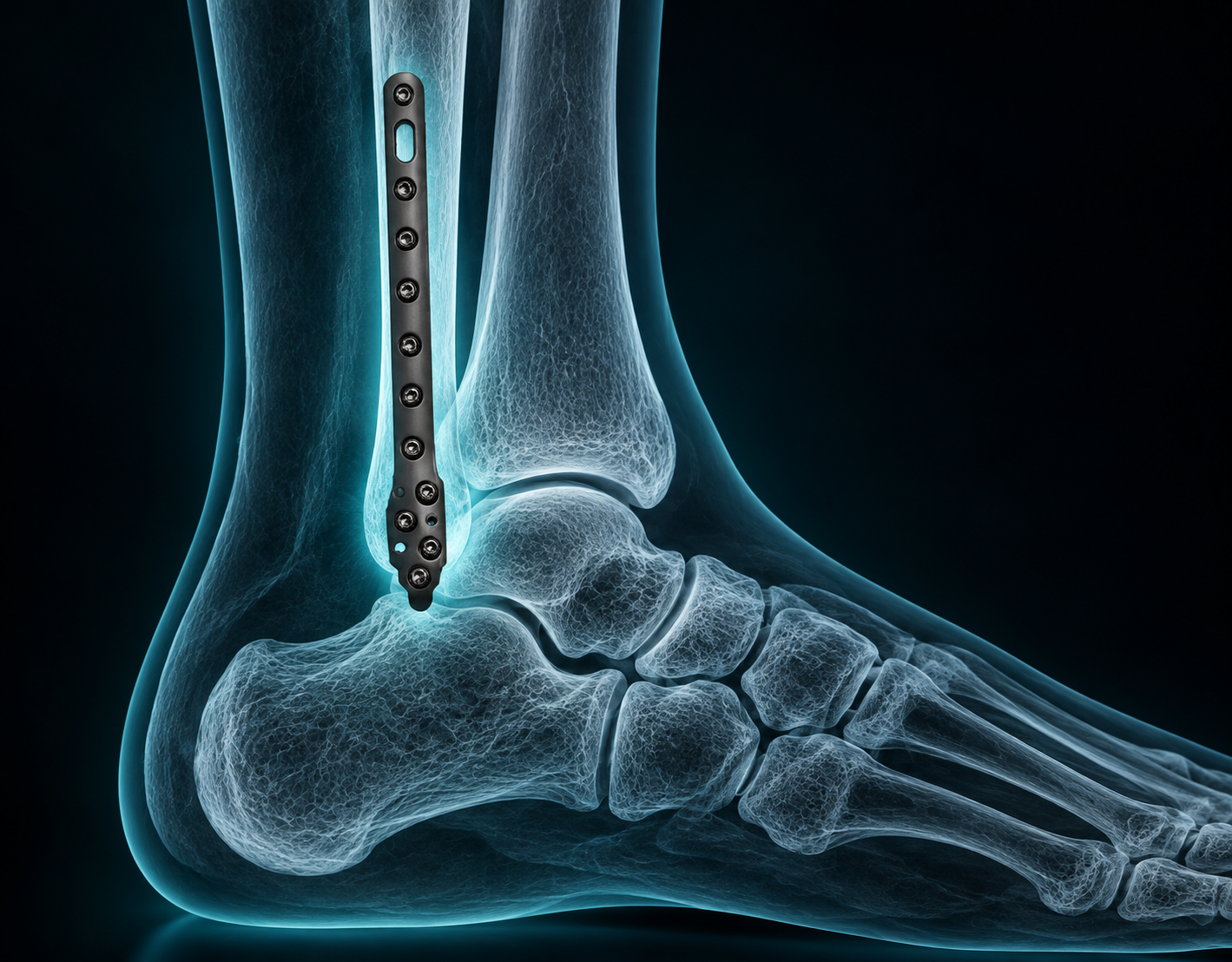
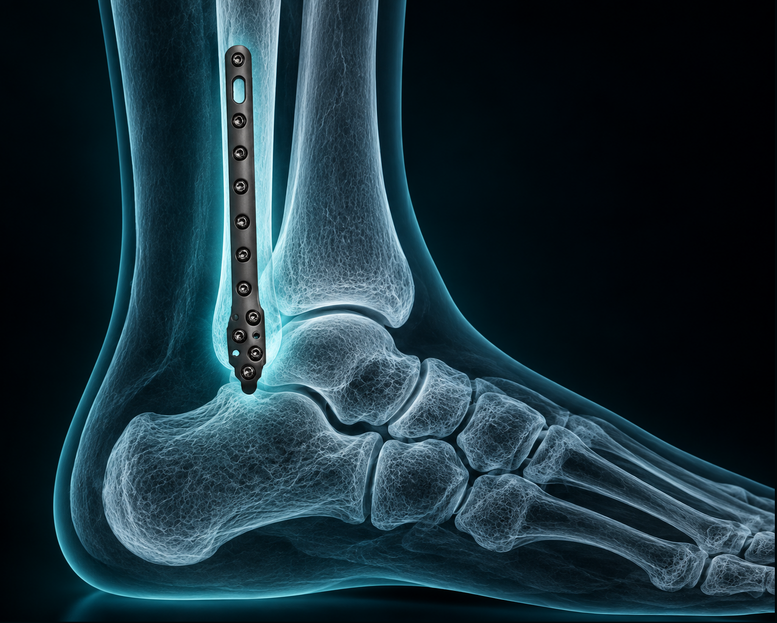
One of the lower leg bones, the distal fibula, is located outside the leg and is smaller than the other. It is also the name of the bone. It is a very important factor in ankle stability, especially when it comes to responsibilities that require weight-bearing.
It is possible for this area of the body to sustain a fracture as a result of trauma or repeated stress, and it may be challenging to treat because of the complex structure of the bone and its position that it is located in the ankle joint.
Detailed surgical technique guides, sterilization instructions and compatibility charts are available in the product catalogue or on request from our clinical support team.
Ø3.5MM Lateral Distal Fibula LCP
| Holes | Left SS | Left TI | Right SS | Right TI |
|---|---|---|---|---|
| 3 HOLES | 1102SS03 | 1102TI03 | 1103SS03 | 1103TI03 |
| 4 HOLES | 1102SS04 | 1102TI04 | 1103SS04 | 1103TI04 |
| 5 HOLES | 1102SS05 | 1102TI05 | 1103SS05 | 1103TI05 |
| 6 HOLES | 1102SS06 | 1102TI06 | 1103SS06 | 1103TI06 |
| 7 HOLES | 1102SS07 | 1102TI07 | 1103SS07 | 1103TI07 |
| 9 HOLES | 1102SS09 | 1102TI09 | 1103SS09 | 1103TI09 |
| 11 HOLES | 1102SS11 | 1102TI11 | 1103SS11 | 1103TI11 |